Mental wellbeing is becoming a core leadership responsibility
Careers are more flexible and skills-driven
Purpose must show up in everyday work
AI works best when it supports human strengths
Resilience and adaptability are essential for the future
The way we work is changing again. Not because of a single new technology or policy, but because people are clearer than ever about what they need from work.
Across businesses of all sizes, expectations around mental wellbeing, career mobility, employee experience, AI, inclusion, resilience and adaptability are rising. People want workplaces that support them to do their best work, feel valued and keep growing.
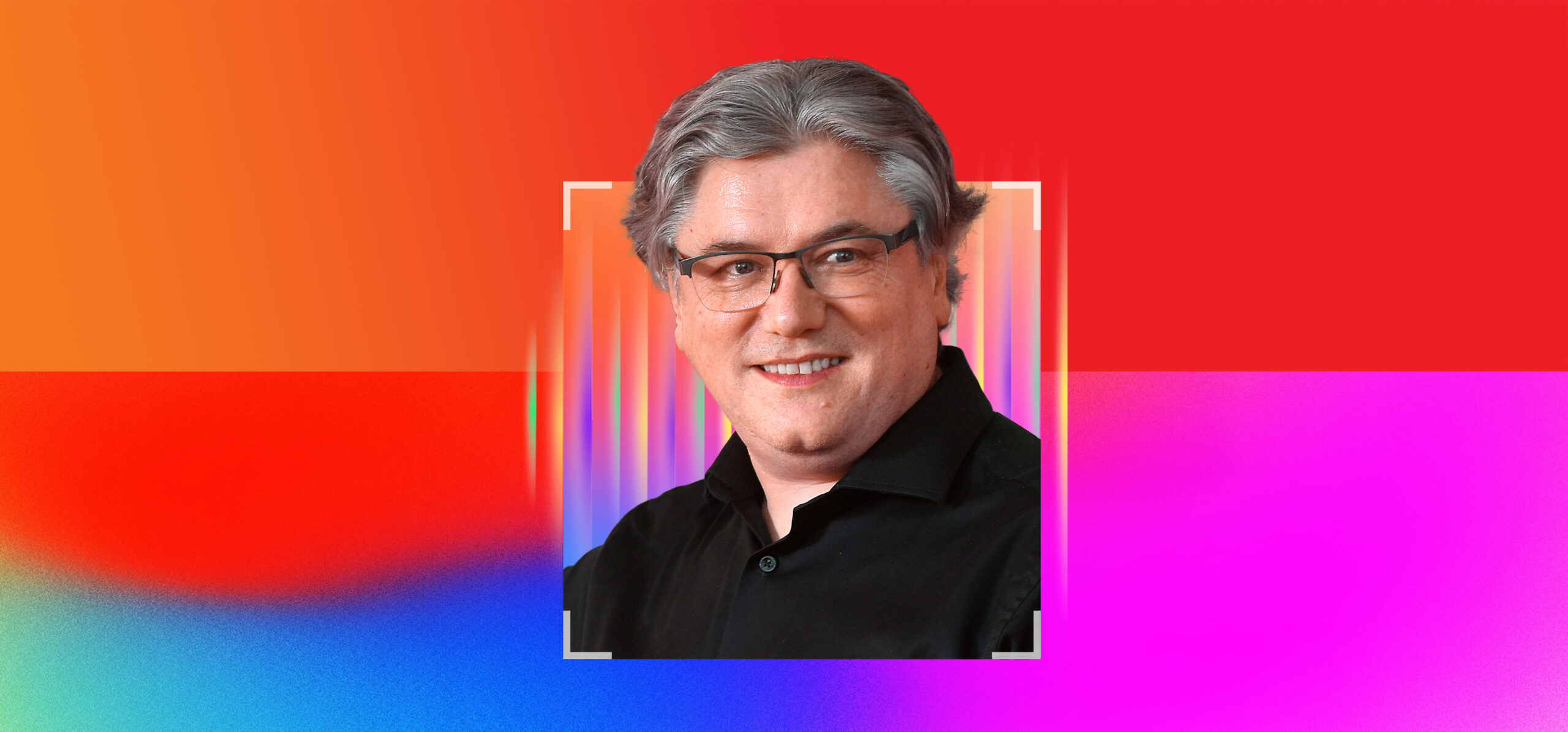
In this blog, Wendy Swash, Chief Operations Officer at Moneypenny, shares her workplace trends set to define 2026, informed by her work leading the incredible teams at Moneypenny.
What’s really happening and why it matters
The last few years have reshaped how people think about work. Flexibility, fairness and fulfilment are no longer “nice to have”. They are expectations.
For businesses, this isn’t about keeping up with trends for the sake of it. It’s about building teams that can perform, adapt and stay engaged in a fast-changing world.
Wendy’s eight people trends shaping how we work in 2026
1. Employee mental wellbeing moves to the heart of culture
Mental wellbeing is no longer a side initiative. In 2026, it sits at the centre of how teams are led.
That means proactive support, peer networks and leaders who listen and respond with empathy.
At Moneypenny, initiatives like mental health champions and regular wellbeing check-ins have changed how teams support one another day to day.
2. Skills fluidity and career mobility become the norm
Linear career paths are disappearing. Roles are evolving too quickly.
People want the freedom to explore new skills, work across teams and grow without having to leave. Internal project work, cross-functional roles and skills-based progression are becoming standard.
3. Purpose defines the employee experience
Purpose is no longer something that lives on a slide deck. It shows up in daily work.
People want to feel connected to something meaningful. Community impact, ethical decisions and a genuine people-first approach, all shape how it feels to work somewhere.
4. AI enhances, not replaces, human roles
AI is now practical, not futuristic. But its real value lies in removing friction.
In 2026, the focus on using AI to free people from repetitive tasks so they can focus on judgement, relationships and creativity.
At Moneypenny, AI supports our people through intelligent call routing and AI-assisted message handling, helping teams deliver faster, more personal service.
5. Inclusion evolves beyond diversity targets
Representation matters, but inclusion goes further.
True inclusion is about psychological safety. It’s about creating environments where people feel heard, respected and confident to speak up. This comes from everyday behaviours, consistent leadership and allyship across teams..
Businesses that thrive in 2026 will organise around outcomes, not layers. Agile structures help decisions happen closer to customers, reduce silos and improve collaboration without losing connection.
7. Continuous feedback replaces annual reviews
Once-a-year appraisals no longer work.
People want regular, honest conversations about performance, progress and development. Continuous feedback builds clarity and trust, and removes the anxiety that often comes with formal reviews.
8. Resilience and adaptability become core capabilities
Change is constant. The ability to adapt matters more than ever.
Curiosity, flexibility and resilience are becoming essential skills across all roles. Teams that are encourages to try, learn and adjust recover faster when plans change.
“People want workplaces that genuinely support them to do their best work, feel valued and grow.”
— Wendy Swash, Chief Operations Officer at Moneypenny
The hidden costs of ignoring these trends
Higher turnover and recruitment costs
Lower engagement and productivity
Inconsistent customer experiences
Slower response to change
Practical fixes you can start now
Build regular wellbeing check-ins into management routines
Create opportunities for cross-team projects and skill-sharing
Be clear about your purpose and how roles support it
Use AI to remove admin, not replace relationships
Encourage feedback little and often
What this looks like in practice
Monthly feedback conversations instead of annual reviews
AI reducing admin so teams spend more time with customers
Managers supporting internal career moves
At Moneypenny, we believe great work starts with feeling supported. Our people-first approach, combined with smart use of AI, helps businesses deliver brilliant customer experiences.
💻
How Moneypenny helps
Find out how Moneypenny supports people-first customer experiences.
The biggest workplace trends for 2026 include employee mental wellbeing, more flexible and skills-led career paths, purpose-driven employee experience, practical use of AI, inclusion beyond diversity targets, agile organisation design, continuous feedback, and greater resilience and adaptability.
Why is employee mental wellbeing a priority for businesses?
Employee mental wellbeing directly affects performance, retention and workplace culture. When people feel supported, they’re more engaged, collaborate more effectively and cope better with change, helping businesses protect productivity and customer experience.
How is AI changing the way people work?
AI is changing work by reducing repetitive tasks and administrative workload, rather than replacing people outright. Used well, it frees employees to focus on judgement, creativity, problem-solving and relationship-building.
What does career progression look like in modern workplaces?
Career progression is becoming more flexible and less linear. Instead of a single ladder, people build skills through different roles, projects and internal opportunities that support growth without needing to leave the business.
How can businesses build resilience and adaptability in their teams?
Businesses can build resilience by creating cultures where it’s safe to try new approaches, learn quickly and adapt. Clear communication, supportive leadership and regular feedback all help teams stay confident during change.
Why are annual performance reviews becoming outdated?
Annual reviews are often too infrequent and formal to support real development. Continuous feedback helps people address issues sooner, clarify expectations and grow in real time, improving performance and trust.
What does inclusion at work really mean?
Inclusion goes beyond diversity statistics. It’s about psychological safety, whether feel respected, heard and able to contribute and it shows up in everyday behaviours, decisions and interactions.
How can businesses keep up with workplace trends without overcomplicating things?
Keeping up doesn’t require a complete overhaul. Focusing on strong basics such as supportive leadership, regular communication, meaningful development and tools that reduce friction can make a significant difference.